Criticisms
Lee Kang Wook's "Phases" Neutralizing His Art
2005
Sim Sang-Yong | Ph.D. In Art History & Professor of Dongduk Women's University
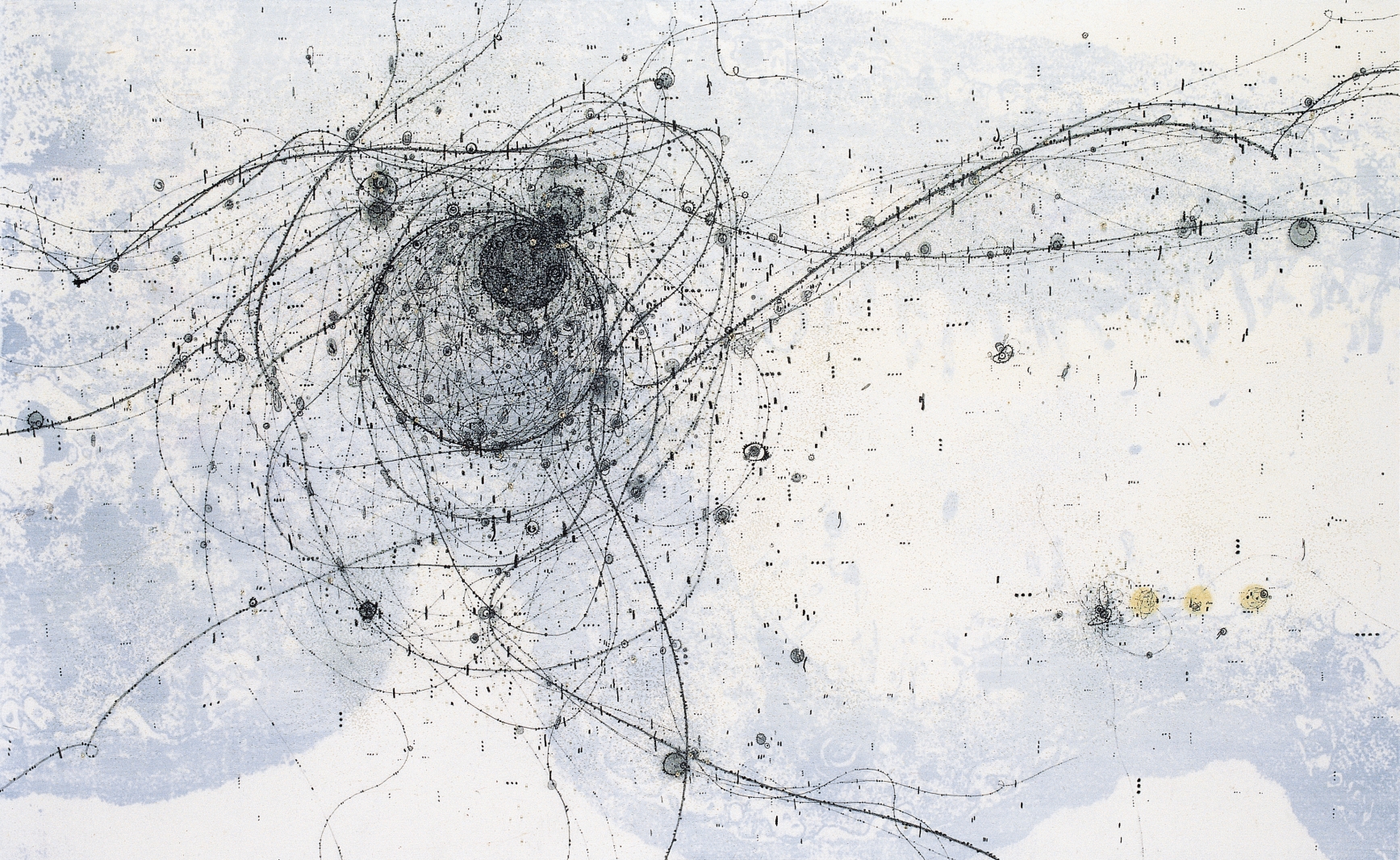
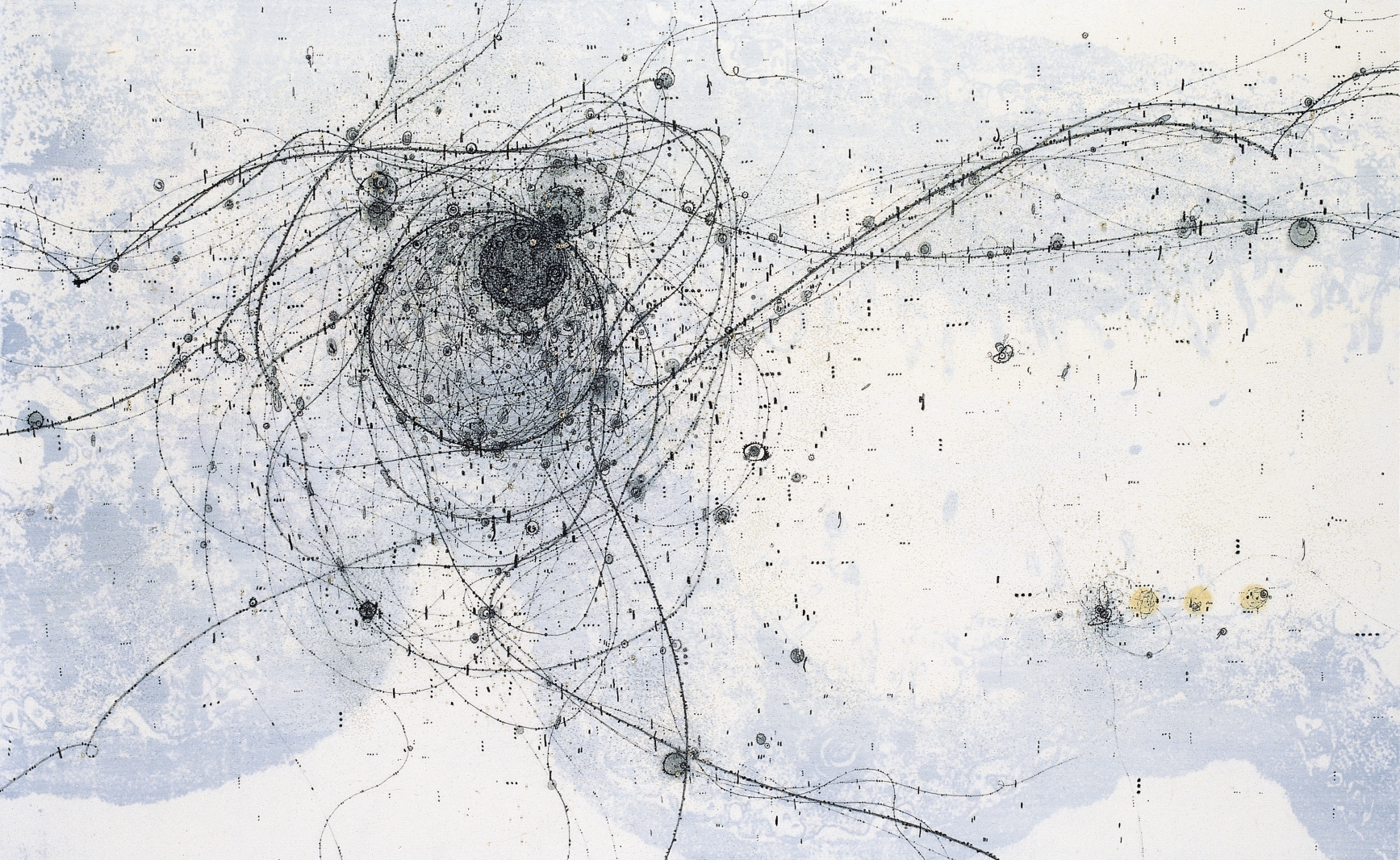
Invisible Space – 03051, 2003, Mixed Media on Canvas, 80 x 130 cm ©Artist
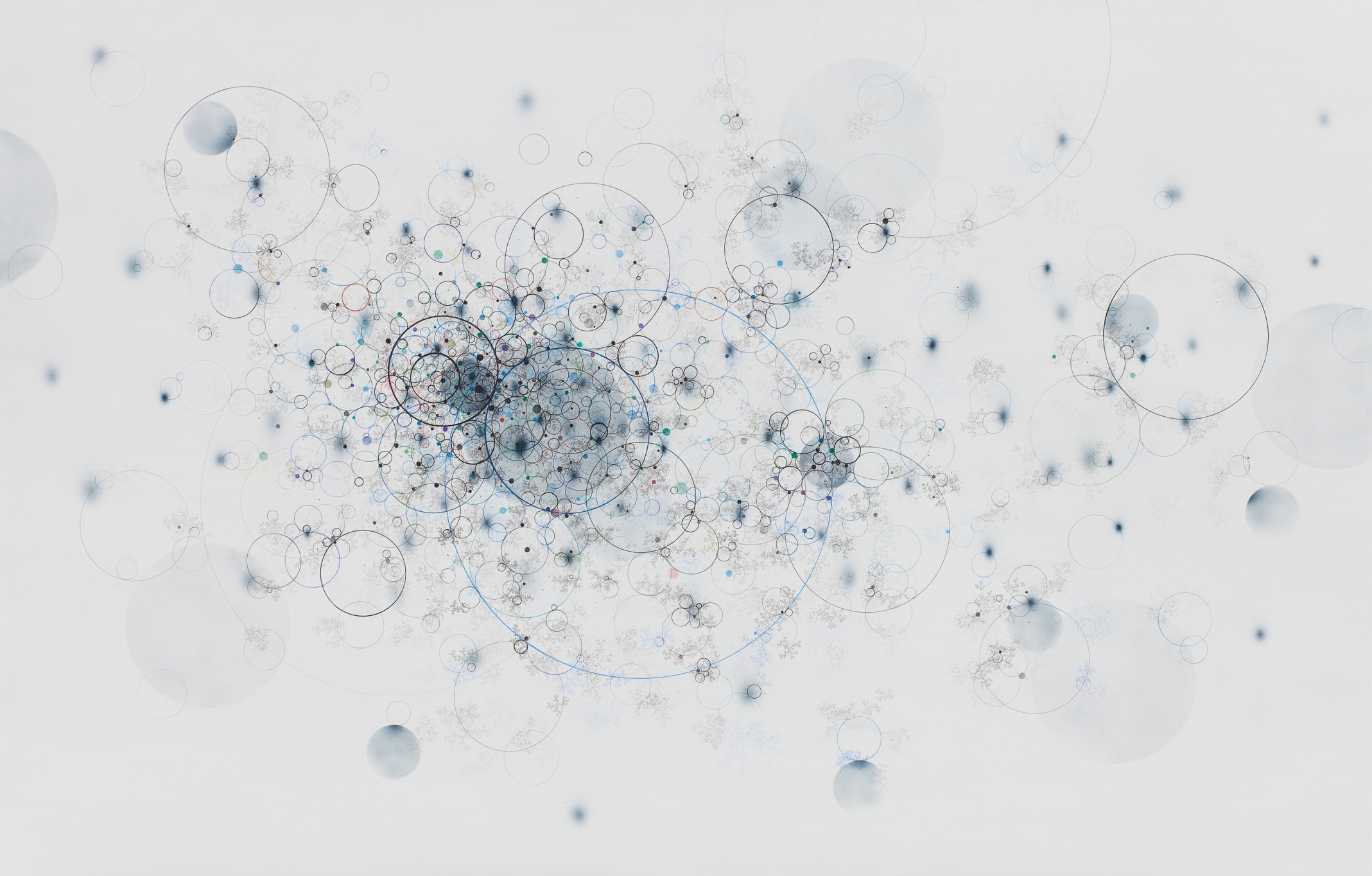
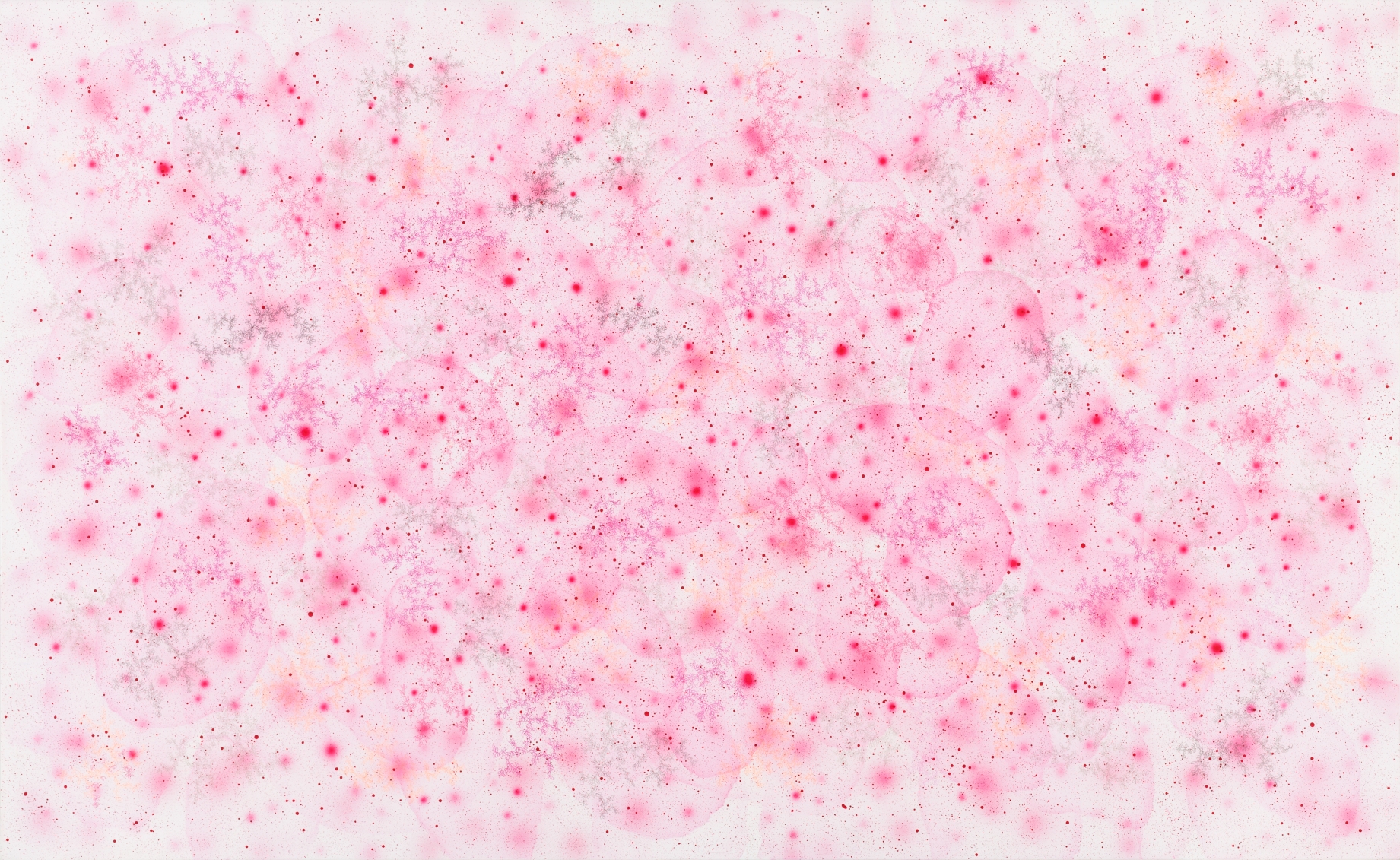
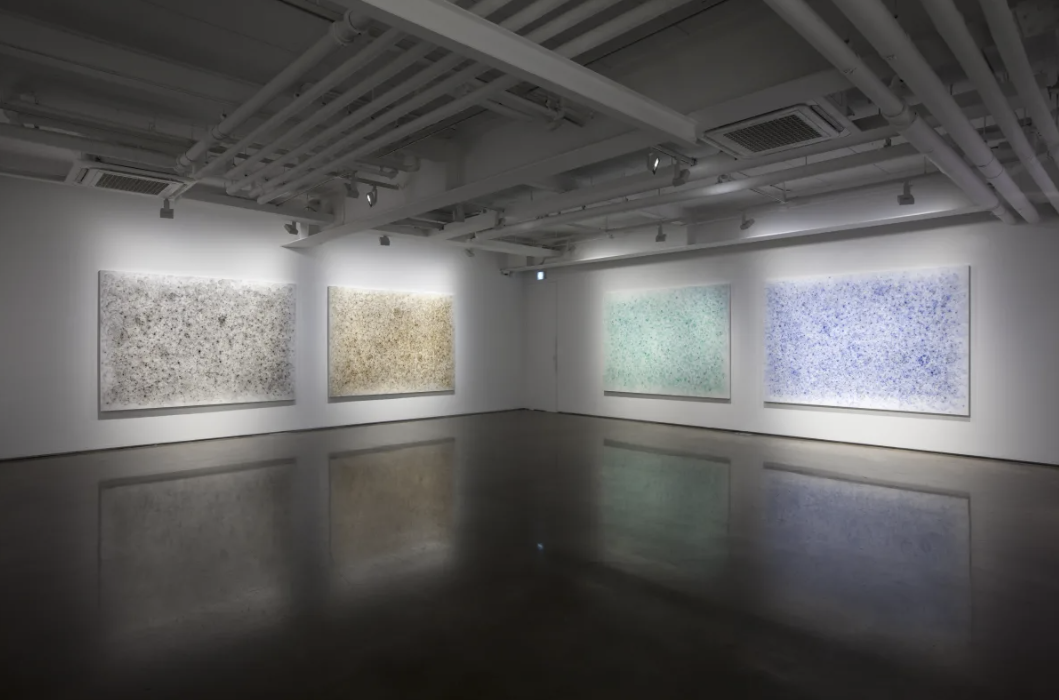
Lee Kang Wook's paintings are ornamental and, when lit, glitter brightly like gems. His painting is tender and slightly pale in its pastel tones, provoking a feeling of coldness. The sensuous, sinuous lines congregate at one point and then spread out all of a sudden. Its imagery as a whole is tidy, orderly and urban, yet also feminine.
An art critic has stated that the significance of Lee’s painting is in the attributes of 'spontaneity', 'amusement' and 'formative order in disorder'. However, Lee's painting is better defined by the control of this 'spontaneity' than by 'spontaneity' itself. In the process of its creation, his instinct for 'amusement' is also debilitated by the introduction of order and regulation. Each of these characteristics occurs in almost completely set order.
Lee's painting largely involves three or four stages to achieve perfection. The first stage is to put a microscopic image resembling magnified animal or plant cells on the canvas. The image, which is likely to squirm, provides the canvas with a hint of life. In the second stage, Lee thickly applies translucent white paint onto the canvas, thereby blurring its imagery.
The image, after going through these stages, loses its directness and the canvas is entirely dominated by the coldness of the pastel tones. The enlarged cell image appears obscure but evidently takes on some organic nuances.
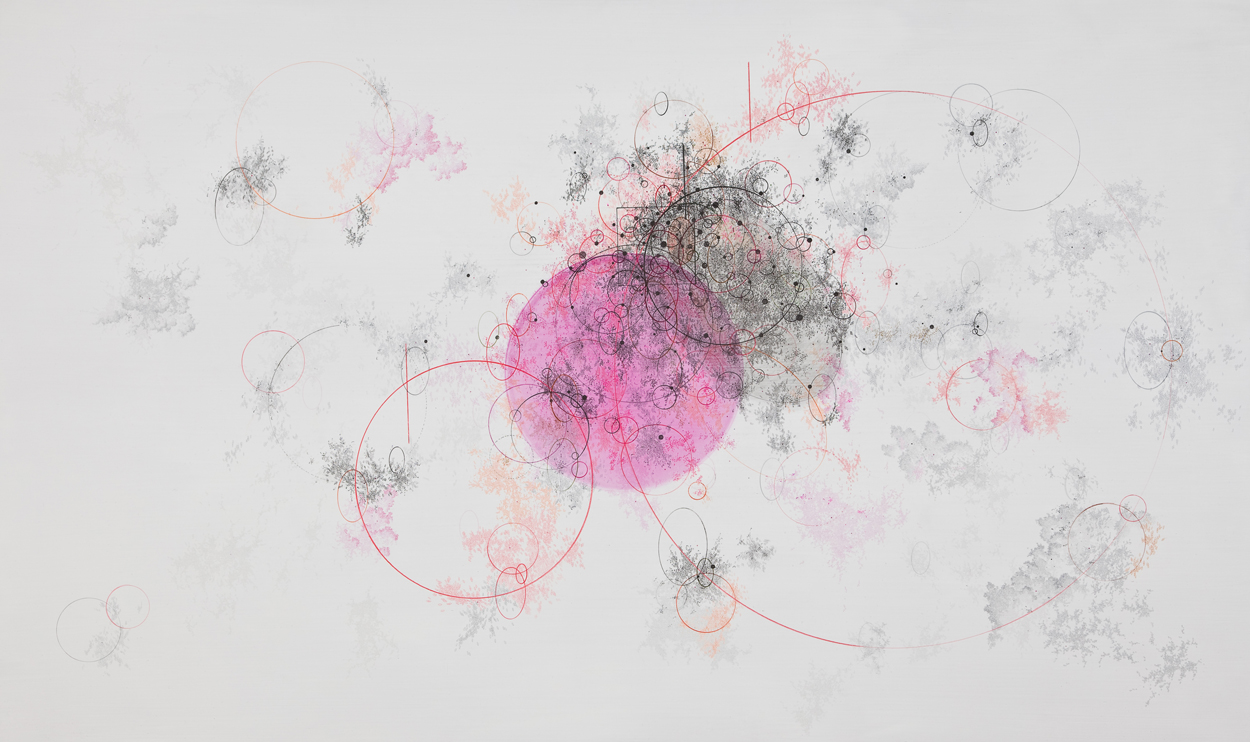
During the next stage, the characteristically sinuous lines are elegantly drawn on the double-layered surface. These lines rendered across the whole canvas evoke a tension between convergence and dispersion, immersion and distraction. They become a baseline to scatter numerous tiny beads or the like, leaving behind a variety of markings. The last phase is to scatter a myriad of shiny objects on the tracts of those lines.
These markings are actually seen as circles of various sizes, spots or even undecipherable signs. With these markings that unexceptionally appear around the lines, Lee’s work looks like part of a map. Its ornamental quality is maximized as the glass beads glitter.
Due to its lack of directness, the art world of Lee Kang-Wook seems neutral and decharacterized. His art is neither abstraction nor figuration and is thought to be a narrative, yet simultaneously a non-narrative. It looks tender yet sometimes cold in terms of its vitality and languidness. This ambiguity, or apparent neutrality, has to be the focus of attention in any discussion of his art.
At each stage taken to bring his art to completion, these opposing factors placidly complement one another. Primitiveness provoked by the cell-like forms becomes something urban and civilized. The weight of the messages Lee’s art conveys is considerably lightened and its atmosphere gradually comes close to ambiguous abstraction, meaning that his art undergoes a process of neutralization.
As the stages he takes in creating his piece are regarded as being decisively significant, 'indirectness' is one of the critical terms used to define his art.
Writings